Olden Damask Paper Vol. 8: Vintage Textures for Modern Design
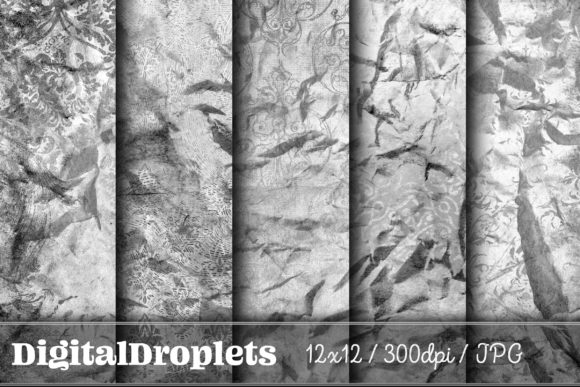
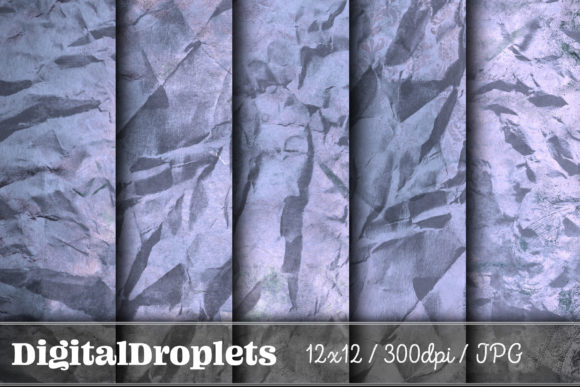
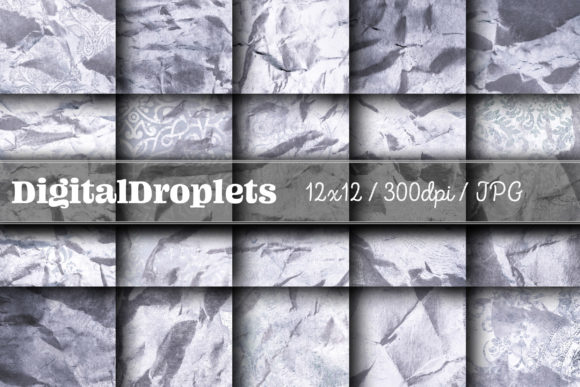
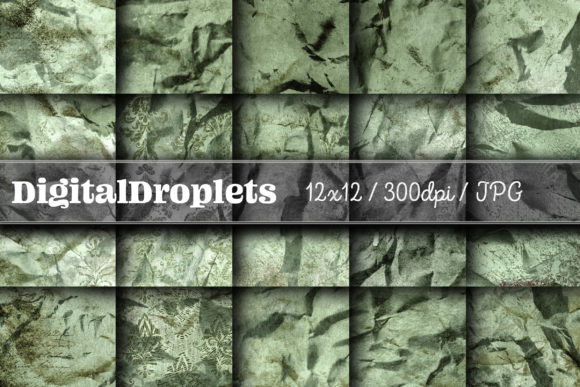
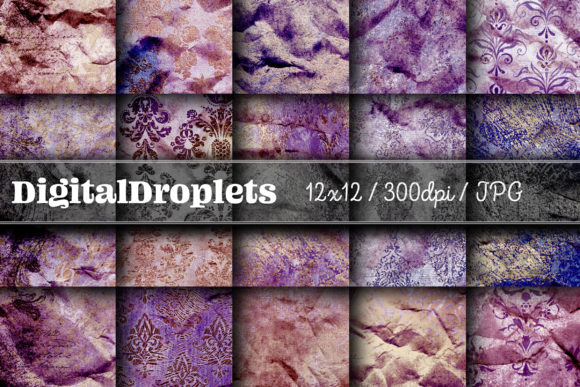
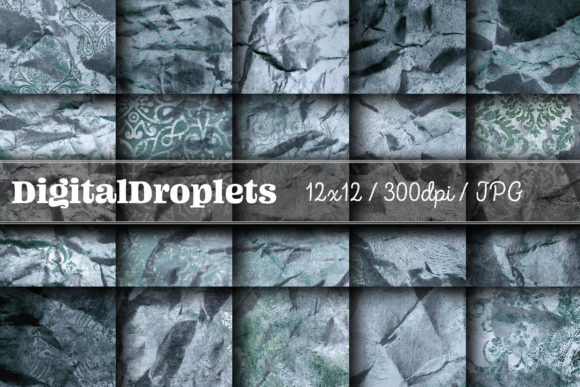
Imagine elevating your next creative project with a layer of sophisticated, aged elegance. The Olden Damask Paper Vol. 8 | Collection offers just that—a curated set of ten high-resolution, 12x12 digital papers that blend intricate damask patterns with authentic, crumpled vintage textures. This unique combination provides graphic designers, crafters, and digital artists with a versatile asset for adding depth, history, and a touch of luxury to their work.
Understanding the Asset: Texture Meets Pattern
This collection is more than a simple background. Each paper in the Olden Damask Paper Vol. 8 | Collection 12×12 Paper Set features a distinct damask motif, a classic design element associated with opulence and tradition. These patterns are thoughtfully overlaid with simulated vintage paper textures—think subtle creases, softened edges, and warm, aged tones. The result is a ready-made layer that instantly imparts a sense of timelessness and handcrafted quality. For professionals, this means saving significant time in creating complex, textured backgrounds from scratch while achieving a polished, premium aesthetic.
Practical Applications Across Design Disciplines
The true value of a creative asset lies in its adaptability. These papers are designed to integrate seamlessly into a wide array of projects, enhancing visual communication and brand storytelling.
Branding and Identity Systems
For brands aiming for a heritage, artisanal, or luxurious feel, these papers are invaluable. Use them as subtle background textures for business cards, letterheads, or brand style guides. They can add a tactile dimension to digital brand assets, helping to establish a cohesive and memorable visual identity that stands out in a crowded market.
Marketing and Editorial Design
In digital marketing and social media graphics, texture captures attention. The vintage damask papers make compelling backgrounds for quote graphics, promotional banners, and email headers. In editorial layouts, such as magazines or lookbooks, they can serve as elegant page backgrounds or section dividers, improving visual hierarchy and reader engagement.
Packaging and Physical Products
Texture is a critical component of packaging design that influences perceived value. These digital papers can be adapted for product labels, box inserts, or shopping bag designs, especially for brands in cosmetics, gourmet foods, or boutique retail. They translate beautifully to print, adding a layer of sophistication to physical merchandise.
Digital Creations and Web Elements
Beyond print, the collection excels in digital realms. They are perfect for creating unique website hero images, blog post featured images, or custom webinar and presentation backgrounds. For UI designers, they can be used judiciously to add warmth and personality to specific interface elements, though always with consideration for readability and modern UX principles.
Tips for Effective Integration
To maximize the impact of these assets, consider these design-focused recommendations:
- Establish Visual Hierarchy: Use the textured papers to draw the eye to key areas, but ensure text and critical graphics remain highly legible. Often, a slight overlay or mask can soften the texture where needed.
- Maintain Brand Consistency: While versatile, select papers that complement your existing brand color palette. The inherent warmth of vintage textures pairs well with muted, earthy, or jewel-tone color schemes.
- Scale for Purpose: At 300dpi and 12x12 inches, these files are scalable for both high-quality print and digital use. Consider cropping specific sections for focused details in smaller applications like tags or washi tape designs.
- Layer Thoughtfully: These papers work exceptionally well as base layers. Experiment with blending modes in your design software to integrate them with other graphics, photographs, or typography for custom, cohesive compositions.
Ultimately, the Olden Damask Paper Vol. 8 | Collection provides a foundation for designers to build upon. It solves a common creative challenge: the need for rich, textured backgrounds that feel both authentic and professionally crafted. By incorporating such thoughtfully designed assets into your workflow, you not only enhance the aesthetic appeal of your projects but also deepen the emotional connection with your audience, proving that in effective design, every detail contributes to the whole story.